CNC Swiss Lathes and Their Role in Quality Management Systems
Understanding CNC Swiss Lathes in Modern Manufacturing
What are CNC Swiss Lathes?
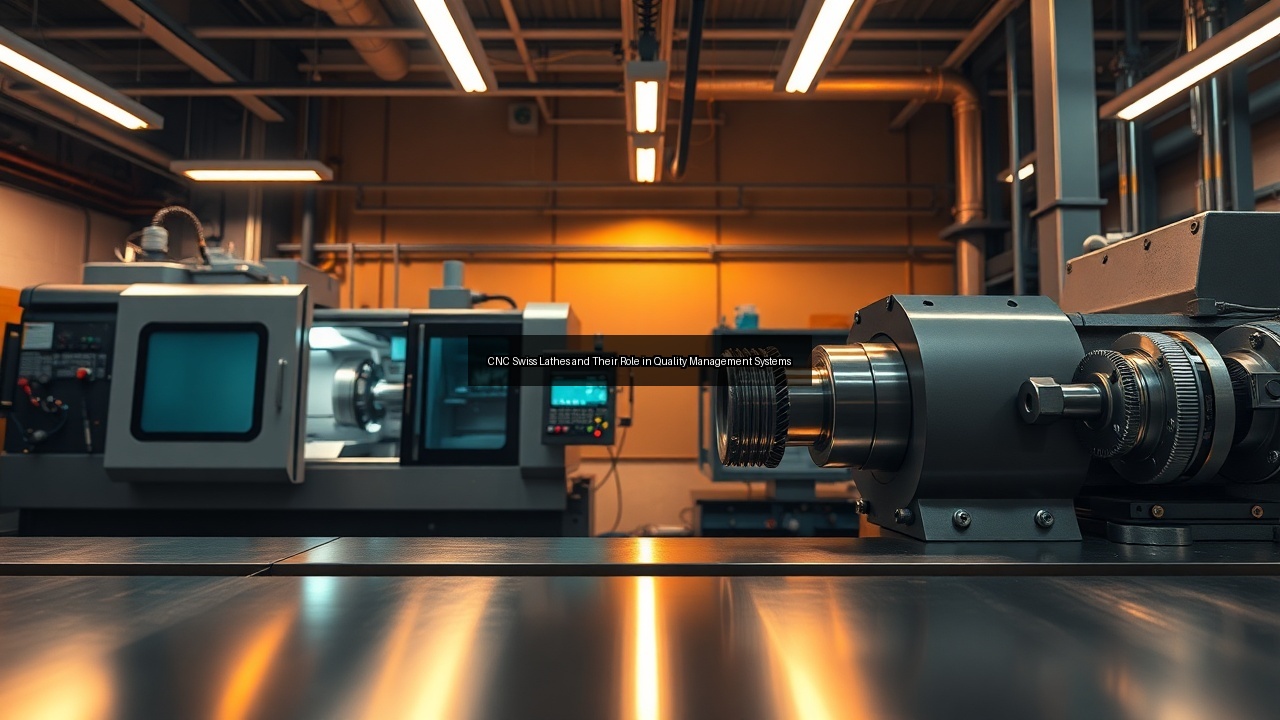
CNC Swiss lathes represent a revolutionary advancement in machining technology. These specialized machines excel in producing precision parts with intricate designs, particularly from small-diameter bar stock. The term “Swiss” originates from the traditional Swiss watchmaking industry, where tight tolerances and complex geometries were crucial. CNC Swiss lathes utilize computer numerical control (CNC) to automate the machining process, allowing for high-speed operations and enhanced accuracy. Unlike conventional lathes, Swiss lathes feature a sliding headstock that moves the workpiece forward as it is machined, which significantly reduces tool wear and enhances production efficiency.
The Advantages of CNC Swiss Lathe Machining
CNC Swiss lathe machining offers distinct advantages that make it a preferred choice for manufacturers. First, the ability to maintain tight tolerances is paramount, often reaching as precise as ±0.001 inches. This precision is critical in industries where even the slightest deviation can lead to failure, such as aerospace and medical device manufacturing. Additionally, the rapid cycle times associated with Swiss machining allow for high-volume production without sacrificing quality. Tool changes occur swiftly, and the machines can handle multiple operations in one setup, reducing the need for secondary machining processes. This efficiency translates into cost savings and shorter lead times for projects, making CNC Swiss lathes incredibly valuable in today’s competitive market.
Applications in Various Industries
The application of CNC Swiss lathes spans a wide range of industries, reflecting their versatility and capability. In the aerospace sector, precision components such as fasteners, brackets, and fittings rely on Swiss screw machining to ensure safety and reliability. The medical industry also benefits from these machines, producing intricate parts for surgical instruments and implants. Automotive manufacturers utilize CNC Swiss lathes to create high-performance engine components that demand exceptional precision and durability. Additionally, electronics manufacturers turn to Swiss lathes for producing small, complex parts necessary for modern devices. This broad applicability underscores the importance of CNC Swiss lathe machining services in various sectors, driving innovation and efficiency.
The Role of Swiss Lathes in Quality Management Systems
Integrating CNC Swiss Lathes into Quality Control
Quality management systems (QMS) play a pivotal role in ensuring that products meet stringent standards. Integrating CNC Swiss lathes into QMS enhances this process by providing accurate data and real-time monitoring of machining operations. These machines often come equipped with advanced software that tracks various metrics, such as tool wear, dimensional accuracy, and production time. By analyzing this data, manufacturers can identify potential issues before they escalate, ensuring that all machined parts consistently meet quality standards. This proactive approach not only improves product quality but also fosters a culture of continuous improvement within the organization.
Precision and Tolerances: Key Factors in Quality Management
Precision and tolerances are the backbone of any effective quality management system, particularly in industries where safety and performance are non-negotiable. CNC Swiss lathes excel in producing parts with exceptional tolerances, often within ±0.001 inches or better. This level of precision is crucial for applications in aerospace, where components must withstand extreme conditions without failure. Implementing strict quality controls alongside CNC machining processes helps mitigate risks associated with dimensional inaccuracies. Regular calibration of the machines, alongside routine inspections of the machined parts, ensures that the final products not only meet but exceed customer expectations.
Maintaining Consistency and Efficiency in Production
Consistency is key to successful manufacturing, and CNC Swiss lathes contribute significantly to maintaining this consistency. Their automated nature minimizes human error and variances that can occur in traditional machining processes. Additionally, the ability to program multiple operations into a single setup streamlines production and enhances overall efficiency. Manufacturers can achieve high-volume outputs while maintaining the quality of each component. This alignment of consistency and efficiency not only boosts productivity but also enhances customer satisfaction, as clients receive reliable, high-quality products on time.
Complex Geometries and Precision Machining
Screw Machining and Its Importance in Aerospace
Screw machining is a vital process in the aerospace industry, where components must adhere to strict specifications. CNC Swiss lathes excel in screw machining, producing parts like bolts, screws, and fasteners that are integral to aircraft assembly. The unique capabilities of Swiss lathes allow manufacturers to create complex geometries that traditional lathes struggle to achieve. This capability ensures that each screw machined part meets the required mechanical properties and tolerances, contributing to the overall safety and performance of aerospace vehicles.
Threading Techniques in Swiss Screw Machining
Threading techniques utilized in Swiss screw machining are essential for producing high-quality threaded components. CNC Swiss lathes employ various threading methods, including single-point threading and multiple-start threading, to create precise threads on a variety of materials. The ability to produce threads with exceptional accuracy makes Swiss lathes indispensable in sectors where secure fastening is paramount. Manufacturers can confidently produce parts that meet international standards, ensuring compatibility and reliability across numerous applications.
Achieving High Volume Production with Swiss Lathes
CNC Swiss lathes shine in high-volume production environments, where efficiency and speed are critical. These machines can operate continuously, producing thousands of parts with minimal downtime. The design of Swiss lathes allows for quick tool changes and setup adjustments, enabling manufacturers to switch between different products without significant delays. This adaptability is crucial in today’s fast-paced manufacturing landscape, where the demand for rapid turnaround times often dictates success. By leveraging Swiss lathe capabilities, businesses can achieve both quality and quantity in their output, setting themselves apart from competitors.
Future Trends in CNC Swiss Lathe Machining Services
Advancements in Technology and Automation
The future of CNC Swiss lathe machining services lies in continued advancements in technology and automation. Innovations such as artificial intelligence and machine learning are set to revolutionize how manufacturers approach machining processes. These technologies enable predictive maintenance, optimizing machine performance by anticipating failures before they occur. Enhanced automation will streamline operations further, allowing for more complex tasks to be performed with minimal human intervention. As these technologies become more integrated into CNC Swiss lathe systems, manufacturers can expect significant improvements in productivity and efficiency.
JIT Manufacturing and Its Impact on Swiss Lathes
Just-in-Time (JIT) manufacturing has transformed production paradigms, emphasizing the need for efficiency and minimal waste. CNC Swiss lathes fit seamlessly into JIT frameworks, offering rapid production capabilities that align with the principles of lean manufacturing. By reducing lead times and minimizing inventory costs, Swiss lathes enable manufacturers to respond quickly to market demands. The flexibility of Swiss machining allows companies to adjust their production schedules with ease, adapting to changes in customer requirements without compromising quality.
The Growing Demand for American Swiss Machining Services
The demand for American Swiss machining services continues to grow, driven by a resurgence of domestic manufacturing. Companies increasingly prioritize sourcing components locally to reduce lead times and logistics costs. Additionally, local manufacturers can guarantee higher quality standards and better communication throughout the production process. As industries such as aerospace and medical devices expand, the need for precise, reliable machining will only increase. American Swiss machining services stand poised to meet this demand, bolstered by advancements in technology and a commitment to quality.