How to Optimize Your HVAC Duct Systems for Better Performance
Understanding HVAC Duct Systems
What Are HVAC Ducts?
HVAC ducts, or heating, ventilation, and air conditioning ducts, serve as the essential pathways for air circulation in residential and commercial buildings. These ducts transport conditioned air—whether heated or cooled—from the HVAC system to various rooms. Proper ductwork design ensures that every area receives adequate airflow, contributing to a comfortable indoor environment. When ducts are well-designed, they enhance energy efficiency, reduce operating costs, and improve overall air quality. Failure to understand the significance of HVAC ducts can lead to inefficient systems that struggle to maintain comfortable temperatures.
Components of Ductwork Systems
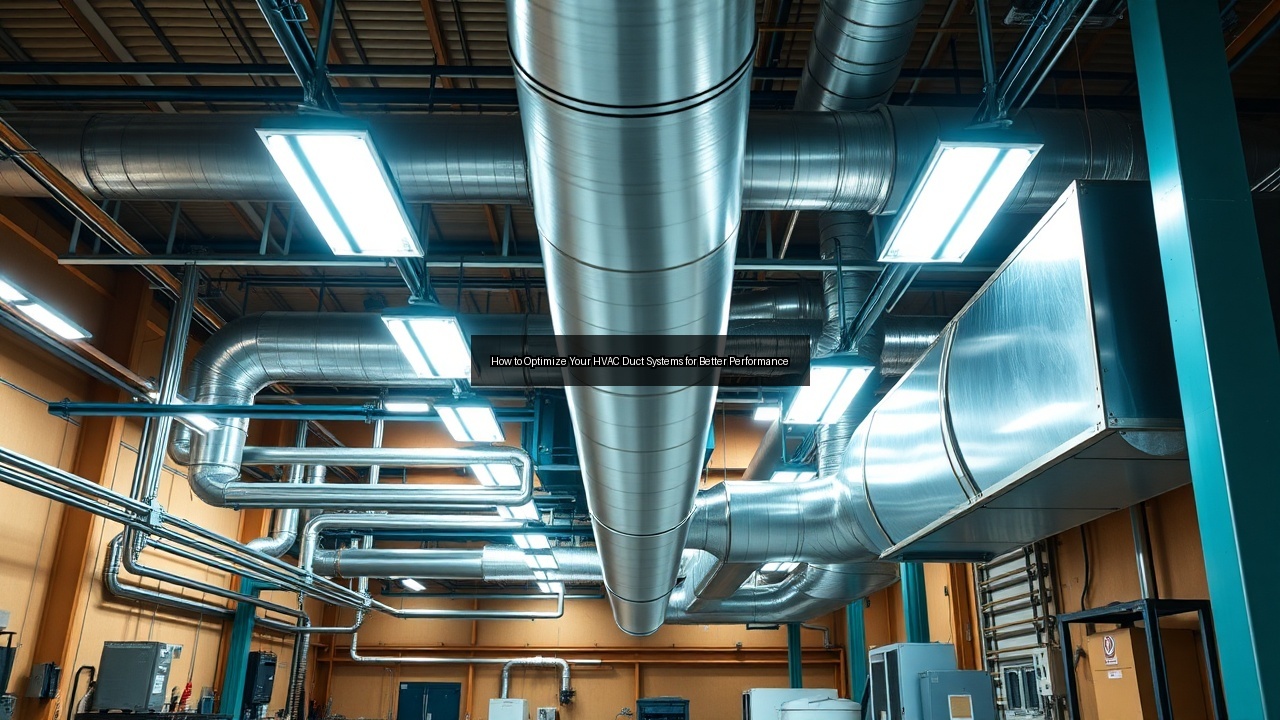
Ductwork systems consist of multiple components that work together to ensure effective airflow. Key elements include the main supply ducts, which distribute air from the HVAC unit, and the return ducts, which bring air back for reconditioning. Duct fittings, such as elbows and tees, facilitate directional changes in airflow, while dampers regulate air volume and pressure throughout the system. Insulation is another critical component, as it helps maintain the temperature of the air within the ducts. Understanding these components is vital for anyone looking to optimize their HVAC system’s performance through ductwork fabrication.
Importance of Airflow in HVAC
Airflow plays a crucial role in the efficiency of HVAC systems. Proper airflow ensures that each room receives sufficient air, which maintains consistent temperatures and improves comfort. Insufficient airflow can cause hot or cold spots, leading to discomfort and increased energy consumption. Moreover, poor airflow can strain the HVAC unit, leading to premature wear and higher repair costs. Optimizing airflow through efficient duct systems not only enhances comfort but also promotes energy efficiency, making it essential for homeowners and businesses alike to understand and prioritize their ductwork.
The Ductwork Fabrication Process
Materials Used in Duct Fabrication
Ductwork fabrication involves various materials, each offering unique benefits. The most common material is sheet metal, typically galvanized steel or aluminum, known for its durability and resistance to corrosion. Flexible ducting, made from a combination of plastic and metal, provides versatility in tight spaces but may not be as durable as sheet metal. Fiberglass ducts, often used for insulation, help reduce noise and improve energy efficiency. Understanding the properties of these materials enables homeowners and engineers to choose the right options for their specific duct systems, ensuring long-lasting performance and efficiency.
Step-by-Step Guide to Duct Fabrication
The duct fabrication process involves several steps to create efficient duct systems. First, accurate measurements and designs are crucial. Use a duct calculator to determine the necessary lengths and dimensions. Next, select the appropriate materials based on the design requirements. Cut the sheet metal or other materials to the specified dimensions, then assemble the sections, ensuring tight seals to prevent air leaks. Finally, conduct quality checks to confirm that the ducts meet the required standards. Following this structured approach guarantees that the ductwork will perform optimally, ensuring efficient airflow throughout the HVAC system.
Common Duct Shapes and Their Applications
Ductwork can come in various shapes, each serving specific functions and applications. Round ducts are popular for their efficiency in airflow, minimizing resistance and maximizing transport speed. Rectangular ducts, while taking up more space, allow for easier installation in tight areas and can accommodate larger volumes of air. Oval ducts combine the advantages of both shapes, providing efficient airflow while fitting into limited spaces. Understanding these shapes helps in selecting the right ductwork for specific applications, enhancing the performance of the entire HVAC system and contributing to better energy efficiency.
Optimizing Your Duct Systems for Performance
Calculating Duct Length for Efficient Airflow
Calculating the appropriate duct length for efficient airflow is a critical step in optimizing HVAC systems. Longer ducts can lead to increased resistance, resulting in reduced airflow and inefficient heating or cooling. Use duct calculators that consider the size of the space, the type of HVAC unit, and the required airflow rate. Aim to minimize the length and number of bends in duct systems to enhance performance. Proper calculations help ensure that each room receives adequate air, leading to improved energy efficiency and overall comfort.
Best Practices for Duct Installation
Proper duct installation is vital for optimizing HVAC performance. Start by carefully planning the layout to reduce bends and turns, as these can significantly impact airflow. Ensure that all connections are sealed tightly to prevent air leaks. Use insulated ducts in unconditioned spaces to maintain the temperature of the air being transported. Regularly inspect the installation for compliance with building codes and standards. Following these best practices creates a robust duct system that maximizes airflow efficiency and contributes to the overall effectiveness of the HVAC system.
Maintenance Tips for HVAC Ducts
Regular maintenance of HVAC ducts ensures long-term performance and efficiency. Start by inspecting ducts for any signs of wear, leaks, or damage. Regularly clean the ducts to remove dust and debris that can hinder airflow and negatively impact indoor air quality. Schedule professional inspections to check for blockages and ensure that the system operates effectively. Additionally, consider adding insulation where necessary to prevent heat loss in unconditioned spaces. These maintenance tips help keep the ductwork in optimal condition, promoting efficient airflow and extending the lifespan of the HVAC system.
Choosing Duct Fabrication Services
Factors to Consider When Selecting Ductwork Services
Selecting the right duct fabrication services is crucial for ensuring high-quality duct systems. Evaluate the contractor's experience in ductwork fabrication and installation, as well as their reputation within the industry. Look for certifications and licenses that demonstrate compliance with local building codes. Ask for references or examples of previous projects to gauge their expertise. Additionally, consider their ability to provide customized solutions based on your specific needs. A well-chosen service provider will ensure that your duct systems are expertly fabricated, leading to improved HVAC performance.
The Role of Sheet Metal in Duct Systems
Sheet metal plays a pivotal role in duct systems due to its durability and effectiveness in maintaining airflow. Galvanized steel and aluminum are the most commonly used materials, offering resistance to corrosion and wear. Sheet metal ducts can be fabricated into various shapes and sizes, making them adaptable to different installation environments. Their ability to withstand high temperatures means they can handle the demands of both heating and cooling systems. Using high-quality sheet metal in duct fabrication ensures long-lasting performance and contributes significantly to the efficiency of HVAC systems.
Cost Considerations for Duct Fabrication
Cost factors in duct fabrication vary based on material choices, design complexity, and labor. Sheet metal ducts tend to have a higher upfront cost compared to flexible options, but their longevity and efficiency often outweigh these initial expenses. Additionally, consider the long-term savings associated with energy efficiency when evaluating costs. Custom ductwork may increase initial expenses but can lead to better airflow and system performance. Assessing these cost considerations helps in making informed decisions that align with both budget constraints and performance goals for HVAC systems.