Thread Rolling Techniques in Wisconsin's High-Tech Swiss Machining Sector
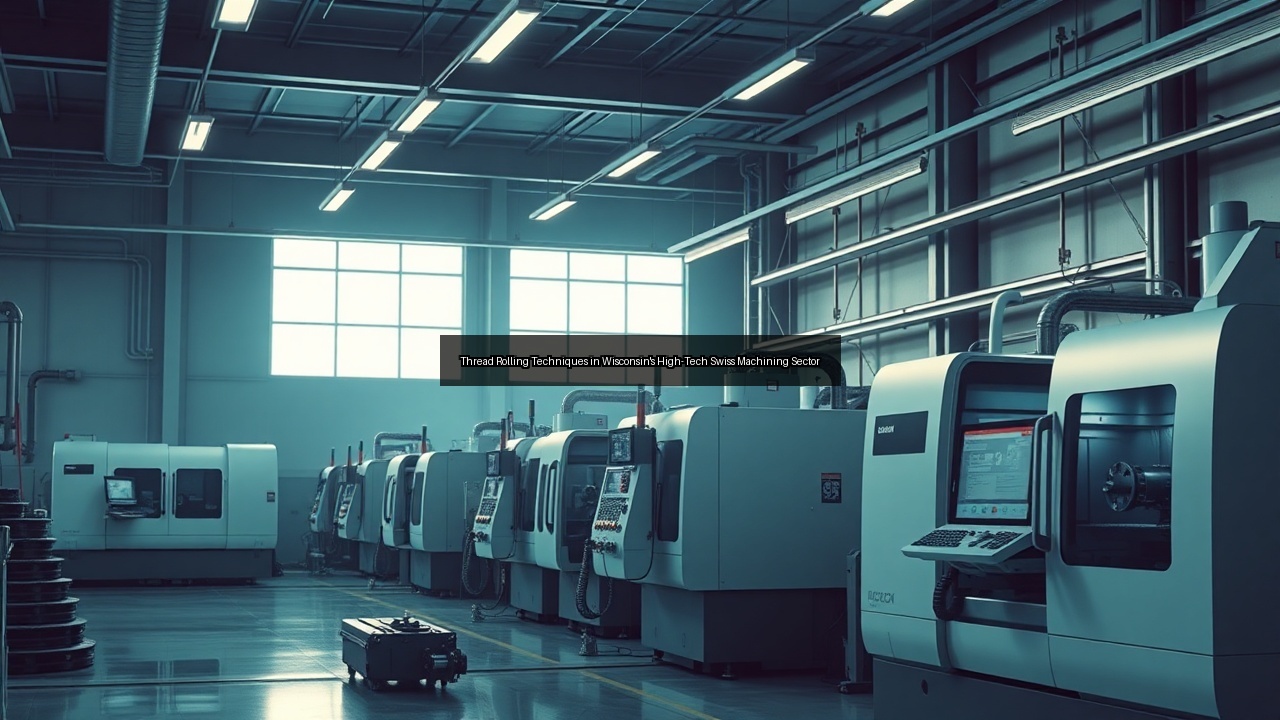
Overview of Wisconsin's Swiss Precision Machining Sector
Introduction to Swiss Machining
Wisconsin's Swiss precision machining sector exemplifies the pinnacle of manufacturing technology, focused on delivering intricate and high-quality components. Swiss machining refers to a process originally developed in Switzerland, characterized by its remarkable accuracy and efficiency. This technique utilizes specialized CNC lathes and machines that excel at producing small, complex parts with tight tolerances. The method is particularly suited for high-volume production, where consistency and precision are paramount. Wisconsin's rich industrial landscape, coupled with a skilled workforce, makes it an ideal hub for Swiss precision machining, fostering innovation and excellence in manufacturing.
Importance of High-Tech Standards
High-tech standards play a crucial role in Wisconsin's machining sector, where industries demand nothing less than perfection. Maintaining rigorous quality control ensures that every component meets the strict specifications required for various applications, particularly in the aerospace and automotive industries. These standards encompass everything from the materials used to the precision of the machining processes. Companies like McCormick Industries emphasize these high-tech standards, integrating state-of-the-art technology and methodologies into their operations. Adhering to these standards not only enhances product reliability but also boosts the competitive edge of Wisconsin's manufacturers in the global market.
Key Industries Utilizing Swiss Machining
Several key industries rely heavily on the capabilities of Wisconsin's Swiss precision machining. The aerospace industry, for instance, demands components that meet stringent regulatory standards and require extreme precision. Similarly, the automotive industry benefits from the efficiency and accuracy of Swiss machining for producing complex parts such as engine components and transmission systems. Other sectors such as telecommunications and the electronics industry also utilize Swiss machined components for their high-tech devices. The versatility of Swiss machining allows it to serve diverse applications, reinforcing its importance across multiple industries in Wisconsin.
Thread Rolling Techniques in Precision Machining
Understanding Thread Rolling
Thread rolling is a cold-forming process that creates threads on cylindrical parts, offering a superior alternative to traditional cutting methods. This technique employs two or more dies that press against the workpiece, forming threads through a combination of pressure and rotation. The process enhances the mechanical properties of the material, resulting in stronger, more durable threads. Wisconsin's machining sector has adopted thread rolling extensively, capitalizing on its efficiency and effectiveness. This method excels in producing high-tolerance components, essential for applications in high-stress environments such as aerospace and automotive sectors.
Advantages of Thread Rolling Over Other Methods
Thread rolling boasts numerous advantages compared to traditional machining methods. First, it significantly reduces material waste since it reshapes the material instead of cutting it away. This efficiency leads to lower production costs and a smaller environmental footprint. Second, the process enhances the strength of the threads, making them more resilient to wear and fatigue. The resulting threads also exhibit superior surface finishes, reducing the need for additional deburring or polishing. In Wisconsin, manufacturers increasingly recognize these benefits, integrating thread rolling into their precision machining practices to meet the demands of high-tech industries.
Applications in Aerospace and Automotive Industries
The aerospace and automotive industries significantly benefit from thread rolling techniques, where the strength and precision of components are non-negotiable. In aerospace, threaded fasteners must withstand swiss cnc machining extreme conditions and maintain integrity under high stress. Thread rolling produces robust threads that meet these rigorous requirements. Similarly, in the automotive sector, manufacturers rely on thread rolling for engine bolts and other critical components that require tight tolerances and high strength. This technique not only enhances performance but also contributes to the overall safety and reliability of vehicles and aircraft, solidifying its role in these vital industries.
CNC Machining and Its Role in High-Tech Manufacturing
Types of CNC Machines Used
CNC machining, or computer numerical control machining, encompasses various machines that automate the manufacturing process, ensuring consistent quality and precision. In Wisconsin, the industry utilizes various types of CNC machines, including CNC lathes, milling machines, and machining centers. CNC lathes, particularly in Swiss machining, excel at producing cylindrical parts with high precision. CNC milling machines, on the other hand, handle more complex geometries, allowing for greater versatility in part design. By employing a combination of these machines, Wisconsin manufacturers can achieve unparalleled accuracy and efficiency in their operations.
CNC Turning vs. CNC Milling
CNC turning and CNC milling serve distinct functions within the machining process. CNC turning primarily focuses on producing cylindrical parts, where the workpiece rotates against a stationary cutting tool. This method is particularly efficient for creating round components with precise diameters and lengths. Conversely, CNC milling involves moving a rotating cutting tool against a stationary workpiece, allowing for the creation of intricate shapes and features. Both techniques offer high precision and are essential in Wisconsin's Swiss precision machining sector. Understanding the differences between these processes helps manufacturers select the appropriate method for their specific needs.
Precision and Accuracy in Swiss Machining
Precision and accuracy remain cornerstones of Wisconsin's Swiss machining sector. Manufacturers employ advanced CNC machining centers equipped with cutting-edge technology to ensure that every part meets exact specifications. The ability to maintain tight tolerances across high-volume production runs sets Wisconsin apart in the global market. Continuous investment in technology and skilled labor ensures that manufacturers can consistently deliver high-quality machined parts. The combination of precision engineering and high-tech machinery solidifies Wisconsin's reputation as a leader in Swiss precision machining, catering to industries that demand the highest standards.
Challenges and Innovations in Wisconsin's Machining Landscape
Maintaining Tolerances in Machined Parts
Maintaining tolerances in machined parts presents ongoing challenges for Wisconsin's precision machining sector. Tolerances define the allowable variation in part dimensions, and exceeding these limits can lead to costly rework or swiss cnc machining product failures. Manufacturers employ various strategies to uphold these strict standards, including rigorous quality control processes and regular equipment calibration. Advanced CNC machines equipped with real-time monitoring systems also help detect deviations early, ensuring that parts remain within specified tolerances. As industries evolve, Wisconsin's manufacturers continue to innovate and adapt to meet these challenges head-on, ensuring their competitiveness in the global market.
Deburring and Polishing Techniques
Deburring and polishing are critical steps in the machining process, ensuring that finished parts meet aesthetic and functional standards. Deburring removes sharp edges and imperfections left from machining, enhancing safety and performance. Various techniques, including mechanical and vibratory deburring, are employed to achieve the desired finish. Polishing further refines the surface, improving the appearance and reducing friction in assembled parts. Wisconsin's precision machining firms utilize state-of-the-art equipment to provide excellent deburring and polishing services, ensuring that every component meets the high-tech standards expected in industries such as aerospace and automotive.
The Future of Swiss Machining in Wisconsin
The future of Swiss machining in Wisconsin looks promising, driven by technological advancements and a commitment to quality. As industries demand more complex and precise components, manufacturers are investing in automation and smart machining technologies. Innovations such as additive manufacturing and integrated machining processes are paving the way for enhanced efficiency and reduced lead times. Additionally, the emphasis on sustainability is prompting Wisconsin’s machining sector to adopt eco-friendly practices. With a skilled workforce and a tradition of excellence, Wisconsin is poised to remain a leader in Swiss precision machining, continuously adapting to meet the evolving needs of high-tech industries.