Energy-Saving Features of Modern Custom Dust Collection Technologies

Understanding Custom Dust Collection Technologies
The Importance of Customization in Dust Collectors
Custom dust collectors stand out in industrial settings because they address unique challenges that off-the-shelf models simply cannot handle. Manufacturers in sectors like woodworking, metal fabrication, and pharmaceuticals often deal with specific types of dust particulates, varying production volumes, and limited space constraints. Tailored dust collection systems ensure optimal performance by integrating engineering principles that match the exact needs of the operation. For instance, a custom filtration system might incorporate specialized cartridge filters to capture fine particulates from chemical processes, preventing clogs and extending equipment life. This level of customization boosts productivity by minimizing downtime and reducing energy consumption through precise airflow management. In manufacturing environments, where dust control directly impacts worker safety and air quality, investing in customized dust collectors pays off in compliance with regulations and long-term cost savings. Engineers design these systems to integrate seamlessly with existing duct work and ventilation setups, creating a cohesive dust extraction solution that enhances overall efficiency. Without customization, generic dust collectors might underperform, leading to higher operational costs and potential hazards from inadequate dust removal. By focusing on bespoke designs, companies achieve state-of-the-art dust management that aligns with their workflow, making custom dust collectors an essential tool for modern industry.
Types of Custom Dust Collection Systems
Diverse types of custom dust collection systems cater to a wide array of industrial applications, from portable dust collectors for small shops to comprehensive industrial dust collectors for large-scale manufacturing. Cyclone dust collectors, for example, use centrifugal force to separate heavier dust particles, making them ideal for high-volume operations like sawmills or metal grinding. Baghouse systems, another popular variant, employ fabric filters to trap finer particulates, often customized with pulse-jet cleaning mechanisms to maintain airflow in dusty environments. For specialized needs, such as those in food processing, custom filtration systems with HEPA-grade filters ensure compliance with hygiene standards. Dust extraction systems can also include wet scrubbers for handling combustible dusts, preventing explosions while capturing water-soluble particles. Portable dust collectors offer flexibility for mobile workstations, while shop dust collectors integrate vacuum-like features for quick cleanup in garages or workshops. OEMs provide tailored dust collectors for custom needs, incorporating modular components that adapt to evolving production lines. These systems vary in scale— from home dust collectors for hobbyists to heavy-duty dust control systems for factories—ensuring every user finds a solution that fits their space and dust type. Understanding these options allows businesses to select dust collector systems that enhance ventilation and reduce air pollution effectively.
Key Components of a Dust Collection System
A dust collection system relies on several interconnected components to function efficiently, starting with the hoods that capture dust at the source. These enclosures direct airborne particulates into the duct work, which channels them to the main unit. At the heart lies the filter—often cartridge or bag types—that traps dust while allowing clean air to pass through, crucial for maintaining air quality in enclosed spaces. Fans or blowers generate the necessary suction, powering the entire dust extraction process. For custom dust collectors, engineers might add pre-separators like cyclones to remove larger debris before it reaches the filters, prolonging their lifespan. Hoppers collect the filtered dust for easy disposal, and controls monitor pressure differentials to signal when cleaning is needed. In advanced setups, explosion vents or isolation valves enhance safety by mitigating risks from combustible dusts. Ventilation plays a key role, as the system recirculates or exhausts purified air back into the workspace. Quality components from reputable manufacturers ensure durability and energy-saving operation. When designing a dust collection system, millwrights focus on balancing airflow rates to avoid energy waste, integrating these elements into a cohesive unit that supports productivity and environmental controls. Proper assembly of these parts turns a basic setup into a robust dust management solution.
Energy-Saving Features of Modern Dust Collectors
Innovative Filtration Systems for Enhanced Efficiency
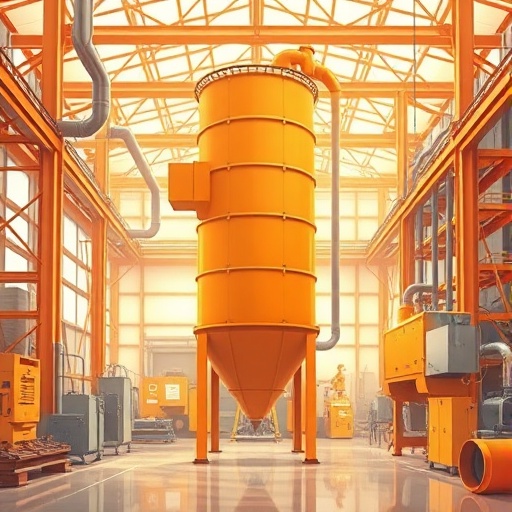
Innovative filtration systems in modern dust collectors revolutionize energy use by maximizing particle capture with minimal power draw. Advanced cartridge filters, coated with nanotechnology, repel dust buildup and self-clean more effectively, reducing the frequency of high-energy cleaning cycles. These systems integrate variable frequency drives (VFDs) that adjust fan speeds based on real-time dust loads, preventing unnecessary energy consumption during low-activity periods. In custom dust collectors, pleated filters increase surface area, allowing higher airflow with less resistance and thus lower blower power requirements. Electrostatic precipitators, another cutting-edge option, charge particles to attract them to collection plates, slashing energy needs by up to 50% compared to traditional mechanical filters. For dust filtration systems handling fine particulates in manufacturing, regenerative filters recycle air without constant fresh intake, conserving heating or cooling costs in controlled environments. These features not only cut operational expenses but also extend filter life, minimizing replacement downtime. Engineers prioritize low-pressure-drop designs in duct work to further optimize energy flow. As industries seek sustainable practices, these energy-saving filtration technologies in custom dust systems deliver substantial returns, blending efficiency with robust dust control for long-term viability.
Cyclone Dust Collectors: Design and Efficiency
Cyclone dust collectors excel in energy efficiency through their clever design that leverages physics over mechanical power. A conical chamber spins incoming air at high speeds, flinging heavier dust particles against the walls via centrifugal force, where they slide down into a hopper. This pre-separation reduces the load on downstream filters, allowing smaller, less powerful blowers to handle the refined airflow. In custom cyclone dust collector setups, engineers optimize inlet velocity and chamber dimensions to match specific dust characteristics, such as size and density in woodworking or metalworking applications. Multi-stage cyclones stack units for finer separation, boosting overall efficiency without proportional energy hikes. Unlike vacuum dust collectors that rely on constant suction, cyclones operate passively once initiated, cutting electricity use in continuous processes. For industrial dust collectors, tangential entry designs enhance separation rates up to 99% for coarse particulates, minimizing filter clogs and maintenance energy. Integration with ventilation systems ensures balanced pressure, preventing energy loss from leaks. Manufacturers now offer compact cyclones for space-limited areas, maintaining high efficiency in tailored dust collectors. These designs not only save energy but also improve air quality by removing bulk dust early, making cyclone technology a cornerstone of modern dust collection systems.
Automation in Dust Collection for Energy Reduction
Automation transforms dust collection into an energy-smart process by intelligently managing operations in real time. Sensors detect dust levels and trigger cleaning only when necessary, avoiding wasteful full-system activations. In custom dust collectors, programmable logic controllers (PLCs) optimize fan speeds and valve operations, reducing power by adapting to production cycles—ramping down during breaks to save up to 30% on electricity. Automated pulse-jet systems clean filters with precise air bursts, conserving compressed air compared to manual methods. For dust management systems in manufacturing, integration with building automation links dust control to overall HVAC, preventing over-ventilation and energy overlap. Remote monitoring via apps allows operators to preempt issues, like filter saturation, before they spike energy use. In large-scale dust extraction systems, AI algorithms predict maintenance needs, ensuring peak efficiency without excess runtime. These features shine in specialty dust collectors for volatile environments, where automated shutoffs enhance safety alongside savings. Millwrights install these automations during setup, fine-tuning for seamless duct work integration. As technology advances, automation in dust collectors not only cuts costs but elevates productivity, making energy reduction a byproduct of smarter, hands-off operation and maintenance.
Impact on Air Quality and Worker Safety
Compliance with OSHA Standards
Custom dust collectors play a pivotal role in meeting OSHA standards by effectively controlling hazardous airborne particulates that threaten worker health. OSHA mandates permissible exposure limits (PELs) for substances like silica and wood dust, requiring robust dust collection systems to keep levels below thresholds. Tailored designs incorporate high-efficiency filters and adequate ventilation to capture and contain respirable dust, preventing inhalation risks in manufacturing spaces. Regular compliance testing verifies that systems maintain clean air circulation, with features like explosion-proof components addressing combustible dust directives. For industries using cyclone or cartridge-based dust collectors, customization ensures airflow meets OSHA's capture velocity guidelines at emission points. Training on operation and maintenance further supports adherence, as workers monitor systems to avoid lapses. These collectors reduce the incidence of respiratory issues and long-term illnesses, fostering a safer workplace. By integrating environmental controls, custom dust systems help businesses avoid fines and shutdowns, turning regulatory compliance into a competitive edge. Engineers design with OSHA in mind, embedding safety interlocks and alarms for immediate issue detection. Ultimately, prioritizing OSHA-compliant dust collection safeguards lives while sustaining productivity in high-risk settings.
Environmental Controls and Air Pollution Control
Environmental controls in custom dust collectors mitigate air pollution by trapping particulates before they escape into the atmosphere, aligning with EPA regulations for industrial emissions. Advanced filtration systems capture up to 99.9% of fine dust, preventing it from contributing to smog or soil contamination via stack discharges. In dust control systems, recapture mechanisms recycle filtered air, reducing the need for external venting and conserving energy in the process. For air pollution control, wet or dry scrubbers in customized setups neutralize acidic or toxic dusts, protecting nearby ecosystems. Manufacturing facilities benefit from these technologies by lowering their carbon footprint, as efficient cyclones separate recyclables like metal shavings, promoting resource recovery. Duct work designs minimize leakage, ensuring comprehensive capture from sources like grinding or sanding. Quality control measures during installation verify seal integrity, enhancing overall environmental performance. As governments tighten standards, investing in state-of-the-art dust collectors equips companies to handle volatile organic compounds (VOCs) and heavy metals effectively. These systems not only control pollution but also support sustainability goals, making custom dust extraction a vital tool for eco-responsible operations.
Maintaining Clean Air in Industrial Settings
Maintaining clean air in industrial settings demands reliable dust collection systems that continuously monitor and purify the workspace atmosphere. Custom dust collectors integrate HEPA filtration to remove microscopic particulates, ensuring breathable air even in high-dust areas like assembly lines or fabrication shops. Ventilation enhancements distribute filtered air evenly, preventing stagnant zones where contaminants build up. In practice, these systems pair with source capture hoods to intercept dust at grinders or cutters, keeping ambient levels low for worker safety. Regular filter replacements and duct cleaning sustain performance, as buildup can compromise air quality over time. For larger facilities, zoned dust management systems target specific areas, optimizing clean air delivery without overworking the entire network. This approach boosts morale and reduces sick days, as employees breathe easier in particulate-free environments. Engineers consider room layouts during design, incorporating return air paths for thorough circulation. Compliance with air quality metrics, like those from ASHRAE, guides customization, ensuring systems exceed basic requirements. By prioritizing clean air maintenance, industries foster healthier operations, where dust collectors serve as silent guardians against invisible threats.
Operational and Maintenance Considerations

Best Practices for Dust Collector Maintenance
Best practices for dust collector maintenance begin with scheduled inspections to catch wear early, extending system life and efficiency. Operators should clean or replace filters per manufacturer guidelines, typically every three to six months depending on dust load, to prevent pressure drops that strain blowers. In custom dust collectors, documenting usage patterns helps tailor maintenance intervals, avoiding over-servicing. Lubricating moving parts like fan bearings quarterly ensures smooth operation, reducing energy draw from friction. For cyclone units, emptying hoppers regularly prevents re-entrainment of dust into the airstream. Training staff on basic checks—such as monitoring differential pressure gauges—empowers quick responses to issues. Integrating predictive tools, like vibration sensors, flags imbalances before failures occur. In manufacturing, coordinating maintenance with production downtimes minimizes disruptions, while using OEM parts maintains warranty coverage. Proper storage of spare filters in dry areas avoids premature degradation. These habits not only cut repair costs but also uphold air quality and safety standards. Adopting a proactive stance on operation and maintenance transforms dust collection from a chore into a streamlined process that supports uninterrupted productivity.
Quality Control in Dust Collection Systems
Quality control in dust collection systems ensures every component meets rigorous standards, from initial fabrication to field deployment. Manufacturers implement ISO-certified processes, testing filters for efficiency ratings above 95% to guarantee effective particulate capture. In custom dust collectors, design reviews by engineers verify compatibility with client specifications, like airflow capacities tailored to specific duct work. On-site audits during installation check for leaks or misalignments that could undermine performance. Ongoing quality control involves logging performance data, such as fan RPMs and filter life, to benchmark against baselines. For OEMs producing industrial dust collectors, batch testing simulates real-world dust loads, weeding out defects. Third-party certifications validate compliance with safety norms, building trust among users. In operation, feedback loops from users refine future models, enhancing filtration and energy-saving features. This meticulous approach minimizes downtime and maximizes ROI, as high-quality systems resist common failures. By embedding quality control at every stage, providers deliver reliable dust management solutions that excel in demanding environments.
Troubleshooting Common Issues in Custom Dust Collectors
Troubleshooting common issues in custom dust collectors starts with identifying reduced suction, often caused by clogged filters or blocked ducts—simple fixes involve inspecting and cleaning these areas promptly. If unusual noises arise, check fan imbalances or loose components; tightening or balancing resolves most cases without major disassembly. For inconsistent airflow, verify blower motor health and electrical connections, as voltage fluctuations can mimic mechanical faults. In cyclone dust collectors, poor separation might stem from incorrect inlet sizing; recalibrating based on dust density corrects this. Leaks in duct work, detected via smoke tests, require sealing with industrial tape or replacements to restore efficiency. Overheating signals overload—reduce dust input or upgrade motors for high-volume setups. Software glitches in automated systems demand resetting controls or updating firmware. Documenting each incident builds a knowledge base for faster resolutions. Engaging millwrights for complex diagnostics ensures thorough fixes. These steps keep custom dust systems running smoothly, preventing minor problems from escalating into costly shutdowns while preserving air quality and energy savings.
Future Trends in Dust Collection Technology
The Role of IoT in Dust Management Systems
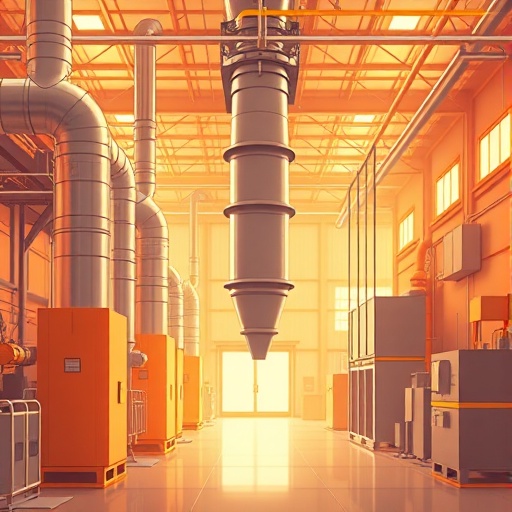
IoT elevates dust management systems by connecting devices for real-time oversight and predictive analytics. Sensors embedded in custom dust collectors monitor dust concentrations, filter status, and energy use, sending alerts via cloud platforms to prevent failures. In manufacturing, IoT-enabled dust collection systems integrate with ERP software, automating adjustments based on production schedules to optimize ventilation and reduce waste. Remote access allows technicians to diagnose issues from afar, cutting response times and travel costs. For air pollution control, IoT tracks emission levels, ensuring compliance through automated reporting. Advanced setups use machine learning to forecast filter replacements, extending life by 20-30%. In specialty applications like pharmaceuticals, IoT ensures sterile clean air by isolating contaminated zones. Scalable for portable or industrial dust collectors, this technology democratizes sophisticated monitoring. As connectivity grows, IoT promises seamless integration with smart factories, where dust control becomes a data-driven pillar of efficiency and safety.
Advancements in Filtration Technology
Advancements in filtration technology push the boundaries of dust collection efficiency with materials that capture ultrafine particulates invisible to traditional methods. Nanofiber filters, woven at microscopic scales, offer tenfold surface area increases, allowing compact designs in space-constrained custom dust collectors. Self-cleaning membranes use ultrasonic vibrations to dislodge dust without air pulses, slashing energy needs. Hybrid systems combine mechanical and electrostatic capture, ideal for mixed dust types in manufacturing. Biodegradable filter media emerges as an eco-friendly alternative, reducing disposal impacts while maintaining high MERV ratings. For cyclone-integrated filtration, adaptive coatings adjust pore sizes dynamically to dust variability. These innovations extend service intervals and lower pressure drops, enhancing blower performance. Researchers explore plasma-based filters that ionize air for superior bonding, targeting volatile emissions. In dust extraction systems, modular cartridges swap easily, minimizing downtime. As filtration evolves, it aligns with sustainability, delivering cleaner air and lower costs for forward-thinking industries.
Sustainability in Dust Collection Solutions
Sustainability drives dust collection solutions toward designs that minimize environmental impact while maximizing resource use. Energy-efficient custom dust collectors incorporate solar-powered auxiliaries or regenerative braking in fans to recapture power. Recyclable materials in construction, like aluminum cyclones, reduce manufacturing footprints. Closed-loop systems filter and reuse process water in wet dust control, conserving supplies in arid regions. For air quality enhancement, bio-filters using natural media break down organic dusts without chemicals, supporting green certifications. Manufacturers prioritize low-VOC coatings on components to avoid secondary pollution. In operation, smart algorithms optimize runtime, cutting carbon emissions equivalent to planting thousands of trees annually. Tailored dust collectors now include carbon offset tracking, appealing to eco-conscious buyers. Future sustainability hinges on circular economies, where worn filters get refurbished rather than landfilled. These trends not only comply with global standards but also position businesses as leaders in responsible manufacturing, where dust management fuels planetary health.
See Also
- The Future of Air Quality Control with Innovative Dust Collectors
- How Custom Dust Collectors Meet EPA Standards and Improve Compliance
- Elevate Your Workspace Safety with Tailored Dust Control Solutions
- Innovative Cyclone Dust Collectors Designed for Optimal Performance
- Discover the Benefits of Customized Filtration for Your Industry