Ensuring Sterility in Medical Device Production with Cleanroom Practices
The Importance of Cleanroom Practices in Medical Device Production
Understanding Cleanrooms and Their Role
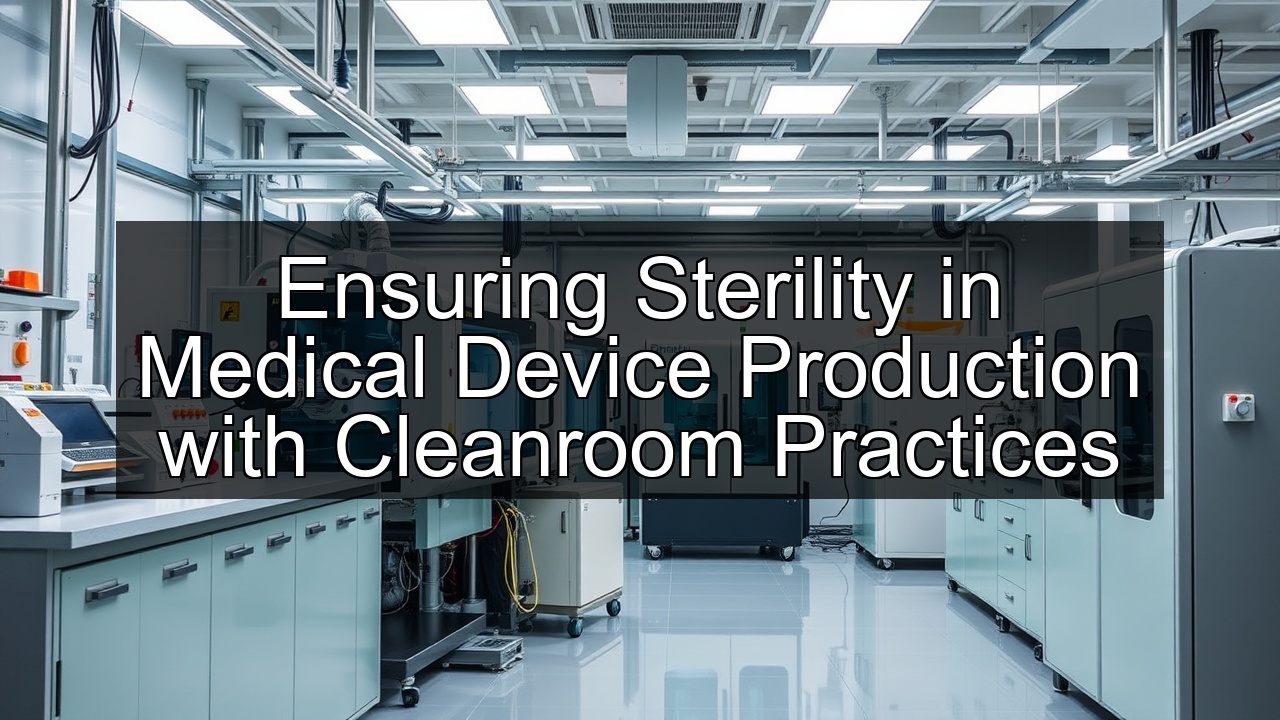
Cleanrooms play a crucial role in the production of medical devices, especially when it comes to ensuring sterility and minimizing contamination. These controlled environments maintain specific levels of cleanliness, temperature, and humidity, significantly reducing the number of airborne particles that can compromise the manufacturing process. Medical device manufacturers, particularly those specializing in implants, prostheses, and diagnostic equipment, rely on cleanrooms to produce medical-grade products that meet stringent industry standards. The design of a cleanroom involves meticulous planning, and its success depends on factors such as air filtration, ventilation, and materials used in construction. Ensuring a consistent sterile environment is essential for compliance with regulations like ISO 14644, which outlines the classification of air cleanliness in cleanrooms, and FDA regulations that govern the safety and effectiveness of medical devices.
Regulatory Standards: ISO 14644 and FDA Compliance
Compliance with regulatory standards is non-negotiable in the medical device manufacturing sector. ISO 14644 sets forth the requirements for cleanroom environments, categorizing them based on air cleanliness and particle counts. This standard is vital for manufacturers aiming to achieve certification that validates their commitment to producing high-quality medical devices. Additionally, adherence to ISO 10993, which focuses on the biocompatibility of materials, is essential for ensuring that the plastics and other materials used in medical devices do not adversely affect patients. The FDA further enforces compliance through rigorous guidelines, ensuring that all healthcare devices undergo thorough testing and validation processes. Medical device manufacturers must navigate these regulations carefully to avoid penalties and maintain their reputation in the industry.
Materials and Techniques in Medical Device Plastic Molding
Choosing Biocompatible Materials: PE, FEP, and Silicone
Selecting the right materials for medical device plastic molding is critical. Biocompatible materials such as polyethylene (PE), perfluoroalkoxy (FEP), and silicone are among the most preferred choices in the industry. PE offers a flexible, durable option for various applications, making it suitable for both disposable and reusable medical equipment. FEP, known for its chemical resistance and low friction, is ideal for devices that require smooth fluid movement, such as catheters and tubing. Silicone, with its excellent flexibility and temperature stability, is frequently used in applications ranging from implants to seals in medical devices. Manufacturers must ensure that these materials align with the requirements set forth by ISO 10993 for biocompatibility, as well as the United States Pharmacopeia standards for safety and quality.
Advancements in Injection and Overmolding Techniques
Injection molding techniques have evolved significantly, enhancing the efficiency and precision of medical device production. Traditional injection molding allows for the mass production of complex shapes and sizes, making it ideal for creating components of prostheses and implants. Overmolding, a process where two or more materials are combined to create a single product, has gained popularity due to its ability to improve grip and comfort in medical devices. For instance, combining a hard plastic frame with a soft elastomer in a surgical tool enhances user experience and ergonomics. These advancements not only speed up production but also reduce the risk of contamination during the molding process, as cleanroom practices are strictly observed during these procedures.
The Role of 3D Printing in Modern Medical Device Manufacturing
3D printing has revolutionized medical device manufacturing, providing unparalleled flexibility in design and production. This technology allows for the rapid prototyping of medical-grade components, enabling manufacturers to test and iterate designs before full-scale production. Customization becomes feasible, allowing for tailored solutions for individual patients, particularly in orthopedics and dental applications. Furthermore, 3D printing reduces waste and lowers production costs, making it an attractive option for medical device manufacturers. As the industry continues to embrace this technology, integrating it with traditional methods like plastic injection molding expands the possibilities for creating innovative healthcare devices. The combination of 3D printing with cleanroom practices ensures that the final products meet stringent sterility and safety standards.
Ensuring Sterility and Mitigating Risks
Strategies for Infection Control in Cleanrooms
Infection control is paramount in cleanrooms used for medical device production. Manufacturers implement a variety of strategies to mitigate the risk of contamination. Regular monitoring of air quality and particulate levels ensures that the cleanroom environment meets regulatory standards. Personnel must follow strict protocols, including wearing appropriate medical platic molding cleanroom garments, practicing regular hand hygiene, and adhering to protocols for entering and exiting the cleanroom. Equipment and materials brought into the cleanroom undergo thorough decontamination processes. Routine cleaning schedules, utilizing specialized cleaning agents, help maintain a sterile environment. Training staff on infection control measures is essential for fostering a culture of quality and safety, ultimately leading to the production of reliable medical devices.
Packaging and Sterilization Methods for Class III Medical Devices
Packaging and sterilization methods play a vital role in ensuring the safety and effectiveness of Class III medical devices, which are subject to the highest level of scrutiny due to their potential risks. Manufacturers often utilize advanced packaging techniques to provide a barrier against contamination. Materials such as polycarbonate and polystyrene are commonly used for their durability and protective qualities. Sterilization methods, including ethylene oxide gas, steam sterilization, or radiation, are employed to eliminate microorganisms while preserving the integrity of the devices. Each method comes with its own set of advantages and considerations, and manufacturers must select the appropriate sterilization technique based on the specific device and its intended use. Compliance with the FDA's sterile packaging regulations is critical to ensure that devices remain safe and effective throughout their lifecycle.
Case Studies and Takeaways from the MedTech Industry
Success Stories in Medical Device Manufacturing
Numerous success stories in the MedTech industry highlight the significance of cleanroom practices in medical device production. For instance, a leading medical device manufacturer recently developed a new line of orthopedic implants using advanced injection molding techniques in cleanroom environments. This initiative resulted in a significant reduction in infection rates post-surgery. Another company focused on 3D printing for custom prostheses, significantly decreasing lead times and improving patient satisfaction rates. These success medical manufacturing stories underscore the necessity of adhering to cleanroom protocols and regulatory standards to ensure product safety and efficacy, which ultimately contributes to improved healthcare outcomes.
Lessons Learned from Compliance Challenges and Solutions
The MedTech industry has faced compliance challenges that offer valuable lessons for manufacturers. A notable instance involved a company that failed to meet FDA guidelines due to inadequate cleanroom practices, resulting in a product recall. The incident emphasized the importance of regular audits and employee training to ensure adherence to cleanroom protocols. Manufacturers learned that investing in proper training and equipment, alongside a culture of quality, can prevent compliance issues. Ongoing education regarding ISO standards and FDA regulations is crucial for maintaining high manufacturing standards. These lessons serve as important takeaways for the industry, reinforcing the critical role of cleanroom practices in ensuring the sterility and safety of medical devices.